
How to Bond with Your Newborn
- Paula Marino

- Jun 17, 2020
- 4 min read
Updated: Aug 11
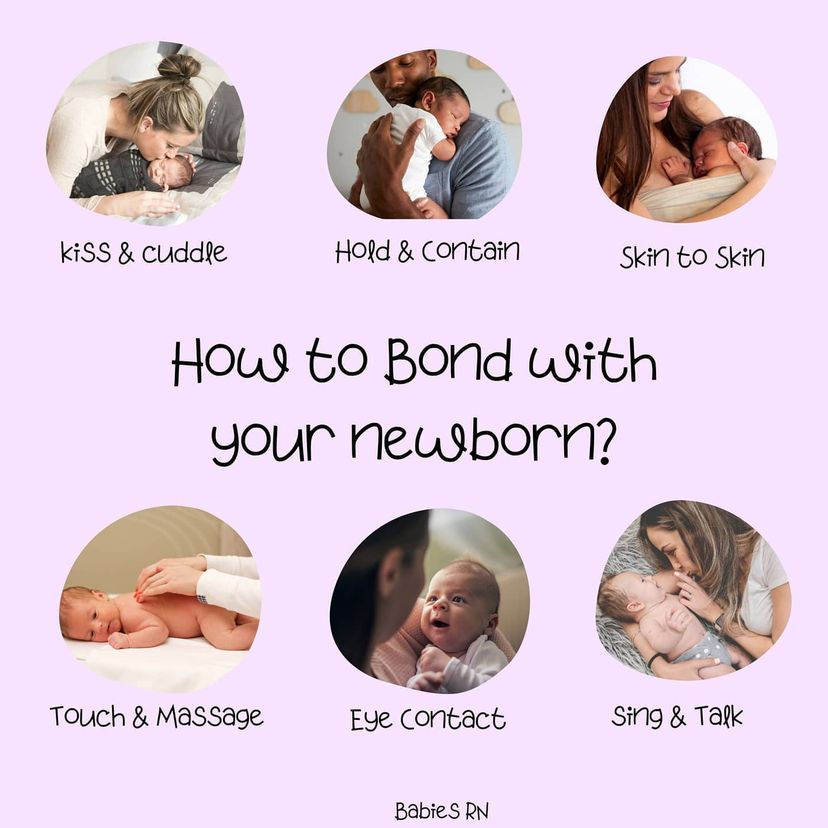
The arrival of a newborn brings profound joy, but it also comes with a unique set of challenges and adjustments. One of the most rewarding aspects of parenting is developing a strong, loving bond with your baby. This connection is crucial for your newborn’s emotional well-being and helps them feel safe, loved, and secure. Here’s a comprehensive guide on how to bond with your newborn, focusing on practical and nurturing strategies that foster a deep and lasting relationship.
The Importance of Bonding
Bonding is the process of developing a strong emotional connection with your baby. It’s essential for your baby’s emotional development and helps build a foundation of trust and security. Warm, gentle affection and consistent responses to your newborn's needs are key to establishing this bond. The more you interact with your baby, the more they learn to trust and feel secure in their new world.
Touch and Cuddle
One of the simplest yet most powerful ways to bond with your newborn is through touch. From the moment they are born, your baby can feel even the gentlest touch. Regularly touching and cuddling your newborn not only helps them feel secure but also strengthens your emotional connection.
Gentle Touch
During daily routines such as diaper changes or bath time, use a gentle touch to caress your baby’s skin. This tactile interaction helps soothe and comfort your baby, reinforcing your bond.
Holding your newborn against your bare chest, skin to skin, is one of the most effective ways to foster closeness. This practice helps regulate your baby’s body temperature, heart rate, and breathing, while also deepening your emotional connection.
Respond to Crying
Crying is a primary way for newborns to communicate their needs. While it can be challenging to decipher the exact reason for their cries, responding promptly and consistently is crucial.
Immediate Response
When your baby cries, attend to their needs as soon as possible. This responsiveness helps your baby learn that they can trust you to meet their needs, which builds a sense of security.
Comfort and Reassurance
Even if you’re unsure why your baby is crying, holding, soothing, and comforting them can provide the reassurance they need. This consistent care strengthens your bond and helps your baby feel safe and loved.
Holding and Carrying Your Baby
Physical closeness through holding and carrying your baby is another effective way to bond. This physical connection not only comforts your baby but also allows you to enjoy the closeness and intimacy.
Rocking and Holding
Gently rocking your baby while holding them close can be incredibly soothing. The rhythmic motion helps calm your baby and reinforces your connection.
Carrier or Sling
Using a baby carrier or sling allows you to keep your baby close while keeping your hands free. This method of carrying your baby is not only practical but also promotes physical closeness and bonding.
Create a Safe and Secure Environment
Making your baby feel physically safe is essential for bonding. Providing the right support and creating a secure environment helps your baby feel more comfortable and secure in their new surroundings.
Head and Neck Support
Always provide good head and neck support when holding or carrying your baby. Proper support ensures that your baby feels secure and protected.
Swaddling
Wrapping your baby snugly in a blanket can recreate the secure feeling of being in the womb. Swaddling helps your baby feel safe and secure, making it easier for them to relax and bond with you.
Talk and Sing
Your voice is a powerful tool for bonding with your baby. Talking and singing to your newborn helps them learn to recognize your voice and fosters a sense of connection.
Soothing Speech
Talk to your baby as often as you can, using soothing and reassuring tones. Describe what you’re doing, tell stories, or simply converse about your day. This helps your baby become familiar with the sound of your voice and supports their language development.
Singing Songs
Singing to your baby can be a joyful and bonding experience. Even if you’re not a great singer, your baby will appreciate the melody and rhythm of your voice. Singing lullabies or gentle songs can help calm both you and your baby, strengthening your emotional connection.
Eye Contact and Facial Expressions
Looking into your baby’s eyes and making facial expressions while you talk or sing helps your baby learn the connection between words and feelings. This interaction is vital for developing social and emotional skills.
Eye Contact
Maintain eye contact with your baby while you interact with them. This helps build a sense of connection and helps your baby learn to recognize and respond to emotional cues.
Facial Expressions
Use expressive facial gestures while talking or singing. Your baby will be fascinated by your expressions, which helps them learn about emotions and communication.
Creating Moments of Connection
In addition to these strategies, finding special moments to connect with your baby can further strengthen your bond.
Bedtime Routine
Establishing a calming bedtime routine can be a wonderful time for bonding. Gentle activities such as reading a bedtime story or singing a lullaby can help your baby feel secure and loved before sleep.
Playtime
Engage in interactive play with your baby, such as gentle tickling, playing with soft toys, or simply talking and laughing together. Playtime is an opportunity for joyful interaction and deepening your connection.
Conclusion
Bonding with your newborn is a beautiful and rewarding journey that lays the foundation for a loving and secure relationship. By incorporating regular touch, responding to cries, holding and carrying your baby, creating a safe environment, talking and singing, and maintaining eye contact, you can foster a strong emotional connection with your baby. These practices not only help your baby feel secure and loved but also support their overall development and well-being. Embrace these moments of connection and cherish the deep bond you are building with your newborn.


Comments